
 Get self-health education, nutrition resources, and a FREE copy of A Terrible Ten: Health Foods That Ain't ebook.
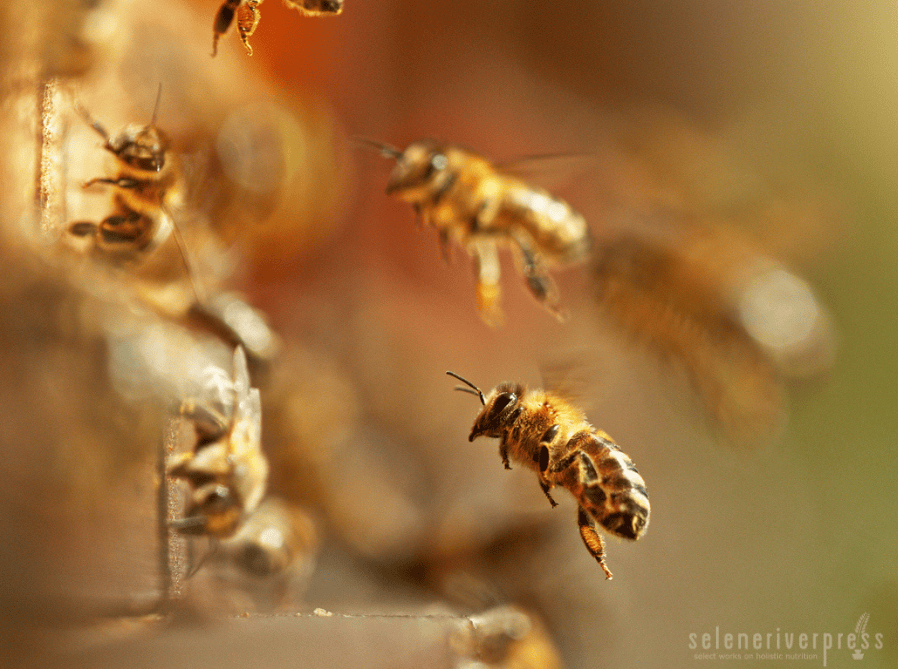
Honey is a natural product, fully synthesized by honeybees. Whatever they collect as nectar is what later gets enzymatically converted to honey and stored in the hives as a potential source of food for themselves.
When it comes to mad honey, its composition is somehow similar to the normal raw honey we consume, floral sugars, moisture make the main components while pollen, protein and enzymes make a small proportion. A significant difference is its higher nutrient level as the main floral sources of mad honey grow at high altitudes. Most importantly, mad honey has grayanotoxin, a chemical compound not found in any other honey. Mad honey has been traditionally harvested by Himalayan honey-hunting communities in Nepal for centuries, where Himalayan mad honey from Nepal is valued not only as a food but also as part of indigenous dietary practices.
Nutritional Compounds
A combination of the following compounds makes mad honey a highly potent natural food:
1. Macronutrients
The primary composition of mad honey is carbohydrates, the predominant ones being natural sugars bees acquire from Rhododendron flowers, glucose, sucrose, and fructose. These simple sugars make the honey sweet, viscous and quick-energy profile.
Another ingredient making one of the major components is moisture, which is commonly present in wild, naturally harvested honey in slightly higher amounts. The reason for this unique feature is that mad honey is harvested in open and forested areas with high humidity and no processing is done to reduce the water content before packaging.
Mad honey has trace proteins and various amino acids, though in small quantities. These contents are derived from bees’ secretions, pollen and floral origin. This protein fraction includes enzymes like invertase, diastase, and glucose oxidase, which play a role in the biological activity, digestion and antimicrobial effects of honey.
2. Vitamins
Vitamins are naturally derived from the nectar and pollen of the flowers and make an inherent component of honey. Vitamins like vitamin C and B complex vitamins found specifically in Rhododendron flowers also appear in mad honey, forming a small but meaningful component of its overall nutritional profile.
3. Minerals and trace elements
Mad honey contains a lot of macro minerals and trace minerals. The majority of the variety is provided by the soil and floral environment where Rhododendron species grow. The micronutrients are found in low amounts; important because they contribute to the nutritional value of the honey.
The primary minerals in mad honey are potassium, magnesium, calcium, and phosphorus and the trace elements are usually zinc, copper, manganese, and selenium. All these micronutrients are beneficial to the body processes since most of them are cofactors to the reactions within the body.
4. Bioactive compounds
The nutritional value of mad honey is also explained by the abundance of bioactive compounds, each of which performs a significant purpose. These are natural effects and medicinal effects. Grayanotoxins, polyphenols and flavonoids and naturally occurring enzymes are the most important bioactive compounds of mad honey.
A) Grayanotoxin
Grayanotoxin is a neuroactive substance that is produced by Rhododendron nectar, and it is a characteristic of mad honey. This toxin is known to react with sodium channels in the body and is the one that makes the honey have the special physiological and intoxicating effects.
B) Polyphenols and Flavonoids
Mad honey contains phytochemical flavonoids like quercetin, kaempferol, galangin and luteolin, some of the major ones among all. These substances help to protect and support the health and integrity of blood vessel walls, assist in lowering inflammation, and add a more intense color and bitter-sweet flavor to the honey.
C) Enzymes
Invertase, diastase and glucose oxidase are enzymes that are naturally occurring in mad honey and are significant in antimicrobial activity and shelf stability.
Factors Affecting Composition
The floral source mainly affects the composition of mad honey, which is affected by the following factors:
1. Season
Mad honey is harvested twice a year, spring and autumn. Rhododendrons are at full bloom in spring, and the most potent mad honey can be expected from the spring harvest.
Whereas autumn harvest may be a mix of wildflowers and herbs, depending on what’s available around the hives during the season. Thus, the nutrients, sugar, and enzymes can greatly vary during this season.
2. Altitude
Mad honey is found around and above 3,000 metres, and the higher you go, the most potent and rare batches of honey you get to try. The reason is due to the limit in the variety of flora and availability of plants that survive in the greater UV, producing a higher nutrient level.
3. Changes in Environment
In recent years, the environment has been constantly changing and the higher altitude is no exception. The main stressors in the mountainous region are climate change, deforestation and human-led development projects.
Change in climate is impacting the normal blooming seasons and deforestation, and human development projects create havoc in the floral sources on which the bees feed. The combination of all these factors can totally fluctuate the mad honey composition.
Processed and Unprocessed Honey
The contents listed above totally apply to mad honey, a wild form that does not undergo through and kind of processing. Because it is collected directly from natural cliff hives and consumed in its raw state, all its enzymes, vitamins, and floral compounds remain intact.
However, in the case of processed ones, all of the nutrients don’t remain intact. Depending on to what extreme the heat, filtration and other processes the honey goes through, the composition can greatly vary. For instance, high heat is used during pasteurization, done to increase shelf life can diminish the concentration of heat-sensitive compounds. Overall, mad honey, being a raw version, is a panacea of natural nutrients, bioactive compounds, and unique phytochemicals, standing out for its exceptional nutritional and therapeutic benefits.
Images from iStock/Jag_cz (main), Drazen Zigic (girl eating honey), AP Tolang (harvesting honey).

