
 Get self-health education, nutrition resources, and a FREE copy of A Terrible Ten: Health Foods That Ain't ebook.

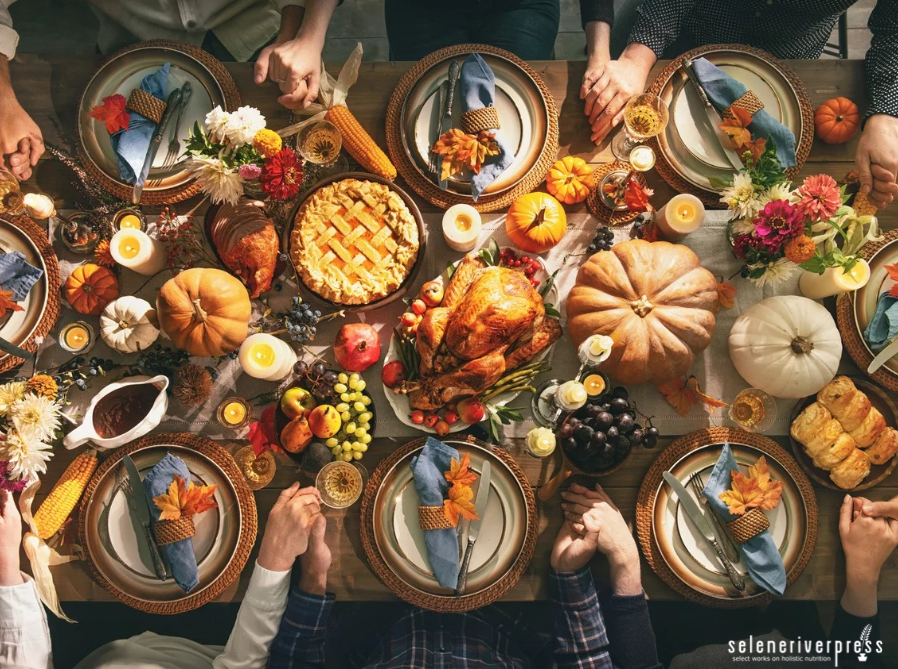
Thanksgiving has a way of bringing familiar foods back to the table.
The turkey, the stuffing, the dinner rolls, the pies. And, of course, the recipes that have been passed around the family for so long that nobody remembers where they originally came from.
We tend to think about these foods in terms of tradition, and maybe how much room we’ll have left for dessert. But there’s another interesting way to look at what’s on our plates.
Throughout Webinar Wednesday, Mark has spent a great deal of time exploring the nutritional differences between whole foods and refined ingredients, along with Dr. Royal Lee’s historical work on vitamins, minerals, and the relationships among them.
And with the holidays approaching, we thought it would be interesting to revisit some of those discussions. So we went digging through the archives.
We found four webinars, including a holiday presentation from guest host Dr. Lowell Keppel, that gave us a few more things to think about as we prepare for the season.
The Holidays Come With a Few Nutritional Complications
Surviving the Holidays with Dr. Lowell Keppel — November 1, 2023
The holidays bring plenty of opportunities to enjoy foods we might not eat quite so often during the rest of the year. And Dr. Lowell Keppel, as a guest speaker, devoted a Webinar Wednesday presentation to some of the nutritional considerations that come along with them.
Filling in for Mark, who was experiencing internet difficulties, Dr. Keppel introduced the subject with a little humor:
“Hey, why not, do something that could be informative and also a little bit fun on surviving the holidays?”
He explores several physiological relationships, including carbohydrate metabolism, B vitamins, potassium, and the adrenal glands.
One of his discussions focuses on how the body uses carbohydrates for energy and the nutritional requirements involved in that process.
“And that’s how we burn carbohydrates for fuel.”
He goes on to discuss the importance of B vitamins in carbohydrate metabolism, along with some of the consequences he associates with inadequate nutritional support.
It’s an interesting subject to revisit when holiday meals often include generous portions of bread, potatoes, desserts, and other carbohydrate-rich foods.
We generally give plenty of attention to what we’re eating during the holidays. Dr. Keppel’s presentation gives us an opportunity to consider the nutritional processes involved after the meal is over.
There’s Quite a Story Behind That Dinner Roll
The Whiter the Bread, the Sooner You’re Dead — June 19, 2024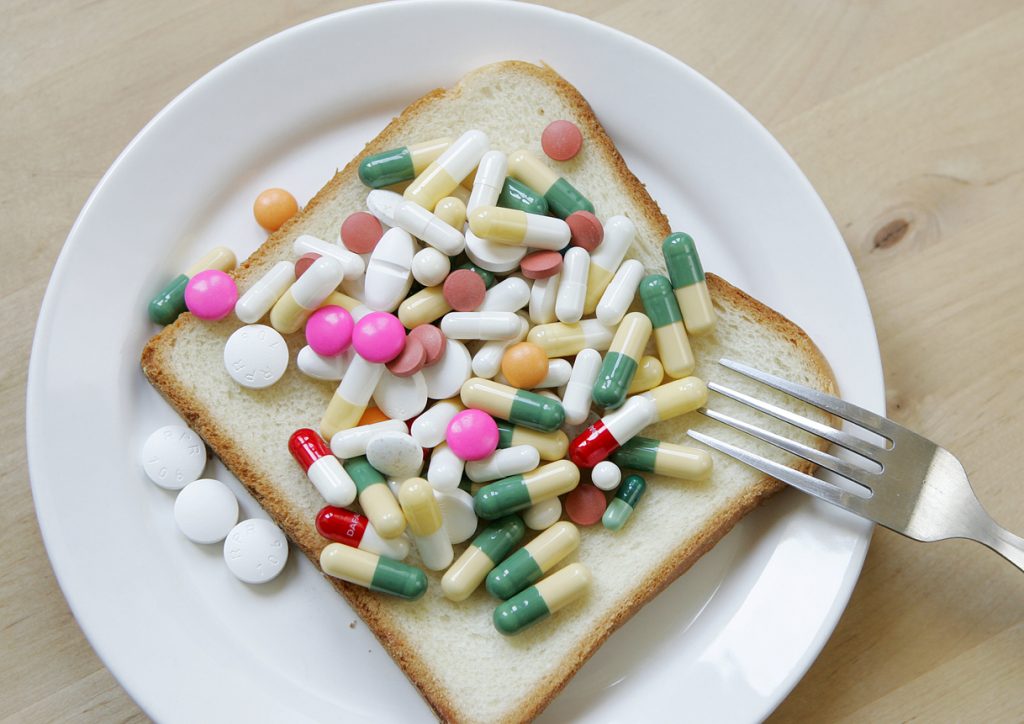
Bread has a pretty reliable place at the Thanksgiving table. Whether it’s a basket of dinner rolls, homemade stuffing, or the crust on a holiday pie, flour finds its way into all sorts of traditional recipes.
But Mark’s June 2024 webinar takes us into a much older discussion about what happens to grains during processing.
Drawing on Dr. Royal Lee’s historical work, Mark explores the development of refined flour and polished rice, and the nutritional consequences of removing portions of the original grain. He discusses how milling separates the bran and germ from the starch-rich portion of wheat, removing nutrients that were originally present together.
And he makes an interesting observation about the relationship between those nutrients and the carbohydrates in grains:
“Nature kindly gives you the B vitamins with those energy foods.”
Mark explains that the B vitamins naturally present in grains participate in the body’s use of carbohydrates for energy. His discussion also examines the historical practice of adding isolated vitamins back to refined foods.
There’s quite a bit of nutritional history packed into something as ordinary as a loaf of bread. And it makes those familiar holiday recipes a little more interesting.
We might not spend much time thinking about the flour in our stuffing or dinner rolls, but Mark reminds us that the way a food is processed can substantially change its nutritional composition.
Wait! There Are Vitamins That Don’t Exist?
3 Vitamins That Don’t Exist, But They’ll Kill You If You Don’t Eat Them — March 19, 2025
If you’ve spent much time following Mark’s webinars, you know he enjoys revisiting nutritional ideas that have largely disappeared from everyday discussions. This March 2025 presentation is a particularly interesting example where he examines three historically discussed vitamin factors and the way they were understood in Dr. Royal Lee’s nutritional philosophy.
The title alone is enough to make you curious.
And Mark explains that the terminology surrounding these nutrients has changed over time, including the historical use of the name vitamin F.
“Now, vitamin F is another vitamin that does not exist.”
He goes on to discuss why historical researchers used these classifications and why he believes the nutritional factors involved still deserve attention.
The discussion reflects one of the recurring themes throughout Webinar Wednesday: the relationships among nutrients naturally present in foods.
Mark has often returned to Dr. Lee’s interest in whole-food complexes and the importance of considering nutritional components together. That makes this an interesting companion to the earlier webinar on refined grains. One presentation examines what happens when parts of a food are removed during processing. The other explores how historical nutrition researchers understood some of the substances naturally present in foods.
It’s a reminder that there’s a great deal of nutritional history behind the ingredients we use every day, including those that appear on our holiday tables.
And Then There Are the Minerals We Rarely Think About
Trace Minerals: Life & Death — Part 1 — January 1, 2025
When we think about the nutritional value of a meal, vitamins usually get most of the attention.
But what about trace minerals?
Mark opened the new year in 2025 with a two-part discussion devoted to these substances and their involvement in some of the body’s most important physiological processes. He explains that trace minerals are required in relatively small amounts yet participate in a remarkable range of biochemical activities.
And one of his observations gets right to the heart of the subject:
“…trace elements don’t act by themselves.”
Mark goes on to explain how trace minerals function as components of enzymes, which participate in the chemical reactions necessary for normal physiological activity.
“See, trace elements like trace minerals act by becoming the key components of many enzymes in the body.”
It’s another example of the nutritional relationships Mark has emphasized throughout his teaching. And it gives us something else to consider when looking at the variety of foods that traditionally make up a holiday meal. Meats, vegetables, grains, and other familiar ingredients all have their own nutritional compositions. The minerals they contain are part of a much larger discussion about how the body uses nutrients.
We may not think much about trace minerals while passing the mashed potatoes, but this webinar offers plenty of reasons to learn more about them.
There’s More on the Table Than We Realized
We started with a simple thought about Thanksgiving and the foods that bring everyone together. A few webinars later, we’d explored holiday eating habits, the history of refined grains, some of Dr. Royal Lee’s lesser-known nutritional concepts, and the important relationships between trace minerals and enzymes.
That’s one of the things we enjoy about going back through the Webinar Wednesday archives. A familiar subject can lead to an entirely different discussion. And sometimes a presentation from several years ago connects surprisingly well with something Mark covered more recently.
We aren’t planning to turn Thanksgiving dinner into a nutrition lecture. But it’s interesting to realize just how much history and physiology can be found in the foods we’ve been preparing for generations.
And perhaps that’s something worth thinking about while we’re passing the stuffing this year.
Mark Anderson’s Webinar Wednesday sessions take place on the first and third Wednesday of each month, and annual subscribers can explore the growing archives whenever they like.
Register for Mark Anderson’s Webinar Wednesday, and we’ll see you at the next one!
Images from iStock/ AlexRaths (main), rabany sebastien (bread and pills), Galeanu Mihai (hand in the dirt).

