
 Get self-health education, nutrition resources, and a FREE copy of A Terrible Ten: Health Foods That Ain't ebook.

In May, Mark Anderson presented one of the first major educational programs through his newly launched educational platform, the Mark Anderson Institute for Advanced Nutritional Studies. Titled The Digestive Tract in Crisis, the five-hour clinical intensive explored a subject that many practitioners would argue deserves far more attention than it currently receives: the central role of digestive physiology in health and disease.
Not surprisingly, the response to the program was significant. Practitioners today find themselves working with increasingly complex patient presentations. Despite the fact that nutritional supplements are more abundant than ever, and laboratory testing is more sophisticated than ever, many of the same chronic patterns persist. Fatigue, inflammatory conditions, impaired recovery, poor tissue resilience, immune dysregulation, and countless other challenges continue to raise an important question: What happens when the body can no longer effectively obtain the nutrients required to maintain itself?
One of the central themes of The Digestive Tract in Crisis is captured in a simple but profound statement:

“When digestion fails, disease follows.”
The point is not that digestion explains everything. Rather, it reminds us that no tissue, gland, organ, or physiological system can function independently of nourishment. Before proteins can become enzymes, before minerals can participate in metabolism, before essential fatty acids can support cellular structure, those nutritional factors must first be liberated from food, absorbed through the digestive tract, transported to tissues, and incorporated into physiology. Failure at any point along that journey can create consequences that may not become apparent for years.
*Editor’s Note: If you were unable to attend the live presentation of The Digestive Tract in Crisis, the seminar replay remains available and offers a comprehensive exploration of digestive structure, function, nutrient assimilation, and the long-term consequences of digestive decline. It serves as a powerful reminder that digestion is not simply a gastrointestinal topic but the gateway through which all nutrition must pass.
Longtime Webinar Wednesday viewers will find this emphasis on digestion familiar. Although Mark’s presentations cover an enormous range of topics, a closer look reveals a recurring thread running throughout many of them. Whether discussing food quality, trace minerals, vitamin relationships, cardiovascular physiology, immune regulation, or tissue nutrition, he repeatedly returns to a foundational principle: the body can only work with what it is able to obtain and utilize.
Viewed together, several past webinars form a remarkably cohesive narrative. They remind us that the difference between eating and being nourished is far greater than most people realize.
You Can’t Digest What’s No Longer There
The Whiter The Bread, The Sooner You’re Dead — June 19, 2024
The story begins before digestion itself.
One of the great strengths of Mark’s teaching is his ability to challenge assumptions that have become so commonplace they are rarely examined. Modern nutrition discussions often focus on calories, macronutrients, supplementation strategies, and laboratory values, yet comparatively little attention is given to the nutritional integrity of the food itself. In The Whiter The Bread, The Sooner You’re Dead, Mark revisits a concern that has occupied nutrition pioneers for generations: What happens when food becomes progressively separated from the biological complexity that originally sustained life?
At its heart, this is not merely a discussion about bread. It is a discussion about refinement, simplification, and the gradual loss of nutritional factors that once accompanied traditional foods. Long before digestive enzymes, hydrochloric acid, or bile become relevant, food must first contain the factors required to nourish the body.
This perspective aligns with Dr. Royal Lee’s longstanding concern that foods should be evaluated not simply by their measurable nutrients, but by the complete nutritional package they deliver. The digestive tract, no matter how robust, cannot extract nutrients that are no longer present.
Seen through the lens of The Digestive Tract in Crisis, this webinar serves as the logical starting point in the larger conversation. Digestion may be the gateway to nutrition, but the quality of what enters that gateway matters.
The Difference Between Eating and Being Nourished
The Digestive Tract in Crisis — May 16, 2026
Once the question of food quality has been addressed, attention naturally turns to digestion.
A recurring challenge in modern healthcare is the tendency to assume that consumption and nourishment are synonymous. If a patient eats protein, protein nutrition is assumed. If a patient takes minerals, mineral sufficiency is assumed. If a patient purchases a supplement, the physiological outcome is often presumed to follow automatically.
Mark’s recent intensive challenges that assumption at every level.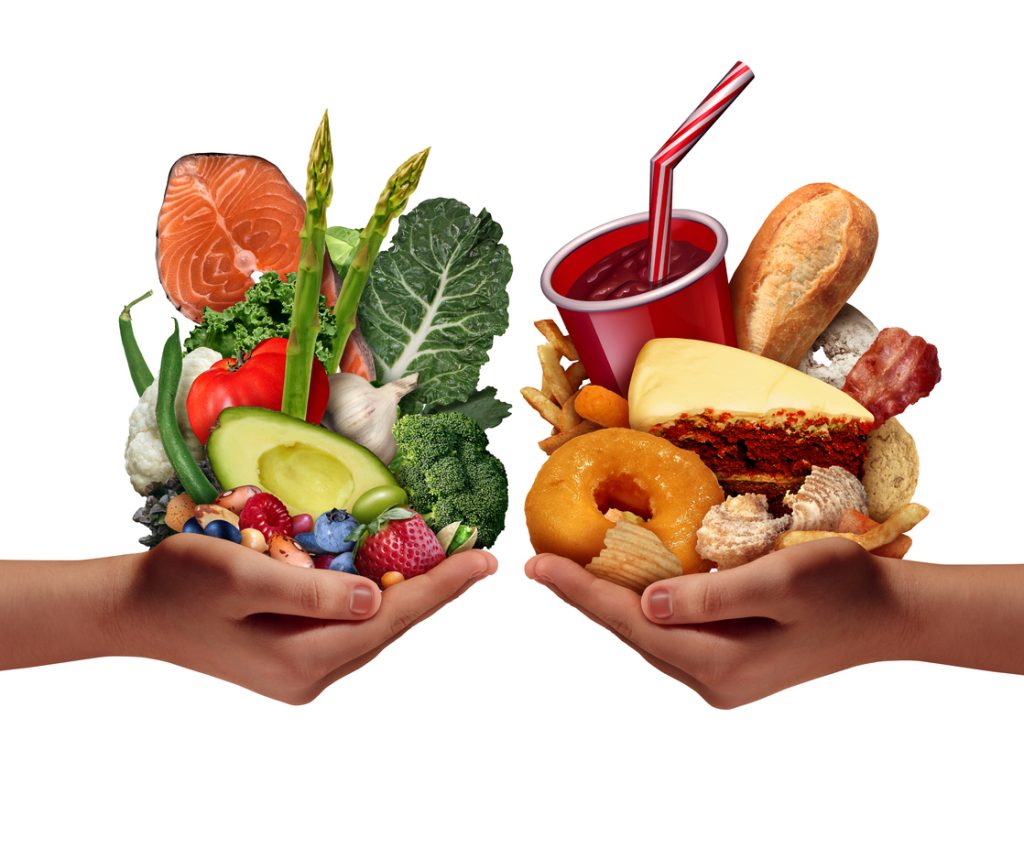
The seminar explores how chronic impairment of digestive function can gradually limit the body’s access to amino acids, enzymes, mineral salts, and essential fatty acids, creating what he describes as “mystery deficiencies” that often escape conventional attention. These deficiencies are not necessarily the result of inadequate intake. They may arise because the digestive tract can no longer fully perform the work required to transform food into physiology.
One particularly memorable teaching point concerns collagen, a topic that has become increasingly popular in both consumer and professional circles. Mark reminds listeners that collagen consumed in food or supplements does not simply become collagen in the body.
“You are going to digest collagen. You’re going to break it down. It’s never going to become collagen unless the body has vitamin C.”
He then draws upon Arthur Guyton’s Textbook of Medical Physiology to emphasize the importance of pepsin in that process:
“One of the most important features of pepsin digestion is its ability to digest collagen.”
The larger lesson extends far beyond collagen. Digestion is not merely a mechanical process. It is the physiological transformation that makes nutrition available in the first place.
Small Nutrients, Big Consequences
Trace Minerals: Life & Death (Part 1) — January 1, 2025
If digestion determines whether nutrients become available, trace minerals help determine whether those nutrients can perform meaningful work.
This webinar provides an important bridge between digestion and physiology by exploring a category of nutrients that are often overlooked precisely because they are required in such small amounts. Modern nutritional discussions frequently revolve around major nutrients, yet many of the body’s most important biochemical processes depend upon trace factors acting as catalysts, cofactors, and regulators.

One of the enduring themes in Mark’s work is that size and importance are not synonymous. A nutrient required in minute quantities may still exert profound influence over enzyme systems, tissue maintenance, energy production, and countless physiological processes.
For practitioners, this perspective offers an important reminder. The successful digestion of food does not automatically guarantee physiological success. Nutrients must still be activated, coordinated, and utilized. Trace minerals frequently occupy those critical points of control.
When viewed alongside The Digestive Tract in Crisis, the webinar highlights an important progression. Food must contain nutrition. Digestion must release it. But physiology still requires the catalytic factors capable of transforming nutritional potential into biological action.
Nutrition Is a Relationship, Not an Ingredient
Hypervitaminosis D — June 7, 2023
The final webinar in this progression addresses a lesson that may be more relevant today than ever.
Modern health culture often encourages practitioners and patients alike to think in terms of isolated nutrients. One nutrient becomes fashionable. Another falls out of favor. A deficiency is identified, and attention narrows to correcting that single variable. Yet physiology rarely operates in such a linear manner.
In Hypervitaminosis D, Mark examines the consequences of viewing nutrients apart from their biological relationships. Although the webinar centers on vitamin D, its broader message concerns nutritional context, balance, and interdependence.
This same principle appears throughout his discussions of digestion. Nutrients depend upon enzymes. Enzymes depend upon cofactors. Protein digestion depends upon pepsin. Pepsin depends upon an appropriate gastric environment.
As Mark notes while discussing protein digestion:
“Pepsin, the most important peptic enzyme of the stomach, is most active at a pH of two to three.”
He continues:
“For this enzyme to cause digestion of protein, the stomach juices must be acidic.”
The point is not merely about stomach acid. It is about relationships. Physiology functions through cooperation, not isolation. Every nutritional factor exists within a larger network of dependencies, and meaningful clinical understanding requires seeing those connections.
Following the Thread
One of the pleasures of revisiting the Webinar Wednesday archive is discovering how often individual presentations illuminate one another. A practitioner may begin by searching for information about digestion and soon find themselves exploring food quality, mineral physiology, nutrient synergy, tissue nutrition, and the foundational principles that connect them all.
That is one of the reasons the archive continues to be such a valuable educational resource. The webinars are not simply standalone presentations. Taken together, they reveal recurring patterns, recurring questions, and recurring physiological principles that become easier to recognize with each viewing. Gradually, these parts and patterns coalesce into a unified whole, allowing you to perceive not just the individual components, but the elegant symphony of the living system.
For current Webinar Wednesday subscribers, this month’s theme offers an opportunity to revisit the archive with fresh eyes. Search digestion, bile, hydrochloric acid, pepsin, trace minerals, nutrient synergy, or pH balance, and you’ll quickly discover how often these same physiological principles appear across seemingly unrelated topics.
For those who are not yet part of Webinar Wednesday, these webinars provide a glimpse into what makes the program such a valuable educational resource. Beyond the live presentations, subscribers gain access to a searchable archive of years of clinical teaching, historical research, and physiological insights. The true value of this archive lies not only in the information it contains, but in the patterns it reveals.
Ultimately, digestion, minerals, vitamins, tissues, and physiology are not separate conversations. They are different chapters of the same story. And, more often than not, that story begins in the digestive tract.
Images from iStock/ ipopba (main), iodrakon (bread), wildpixel (healthy vs non healthy foods), Galeanu Mihai (hand in the soil).

